We design and implement integrated security controls that reduce exposure across identity, endpoints, networks, cloud, and data—based on risks identified during your technology risk assessment.
Cybersecurity initiatives are typically driven by findings from a Technology Risk Assessment, where we identify vulnerabilities, control gaps, and exposure across the enterprise environment.
We then design and implement security improvements as part of a broader modernization effort.
Integrated security engineering across the enterprise environment.
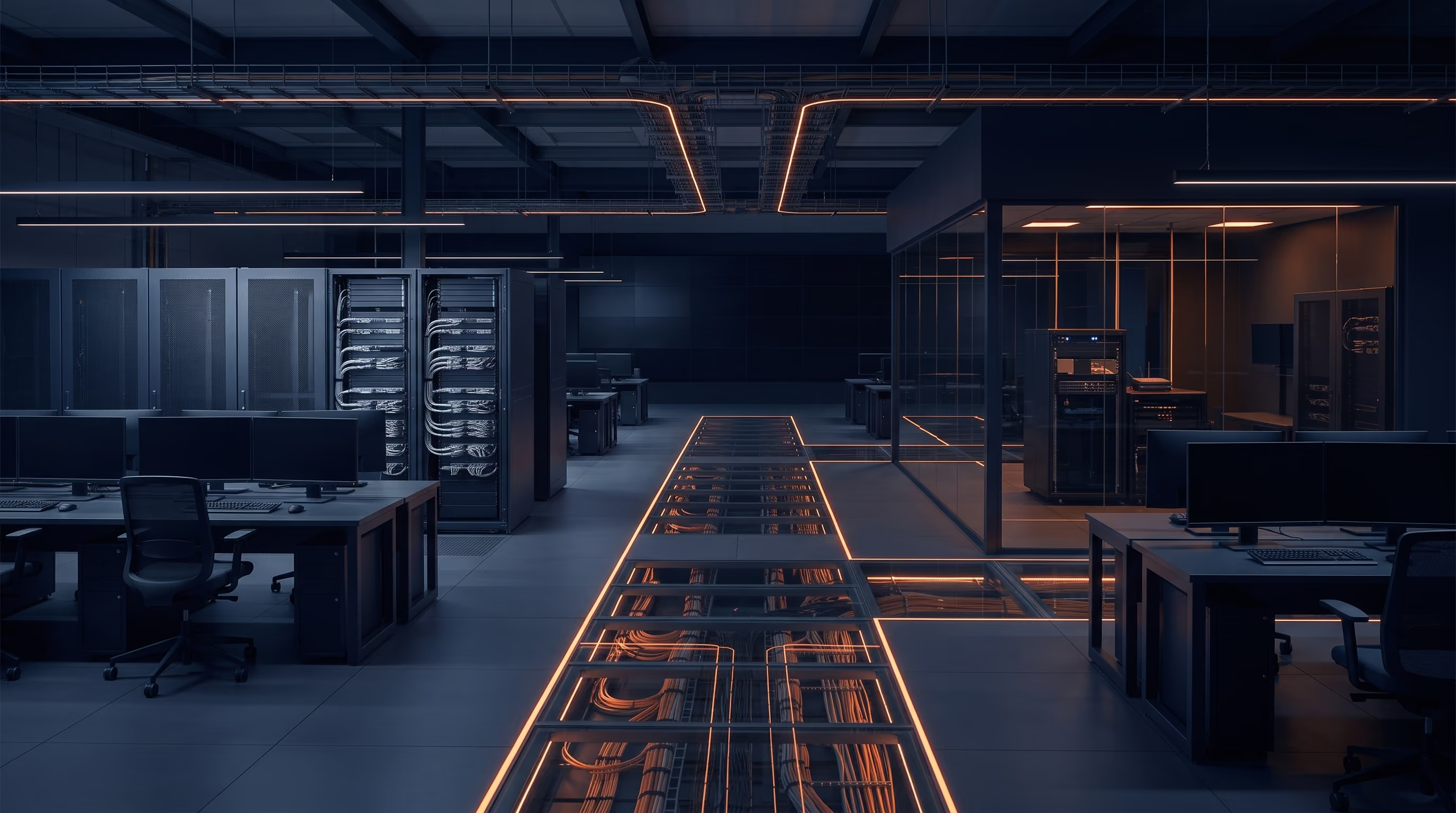


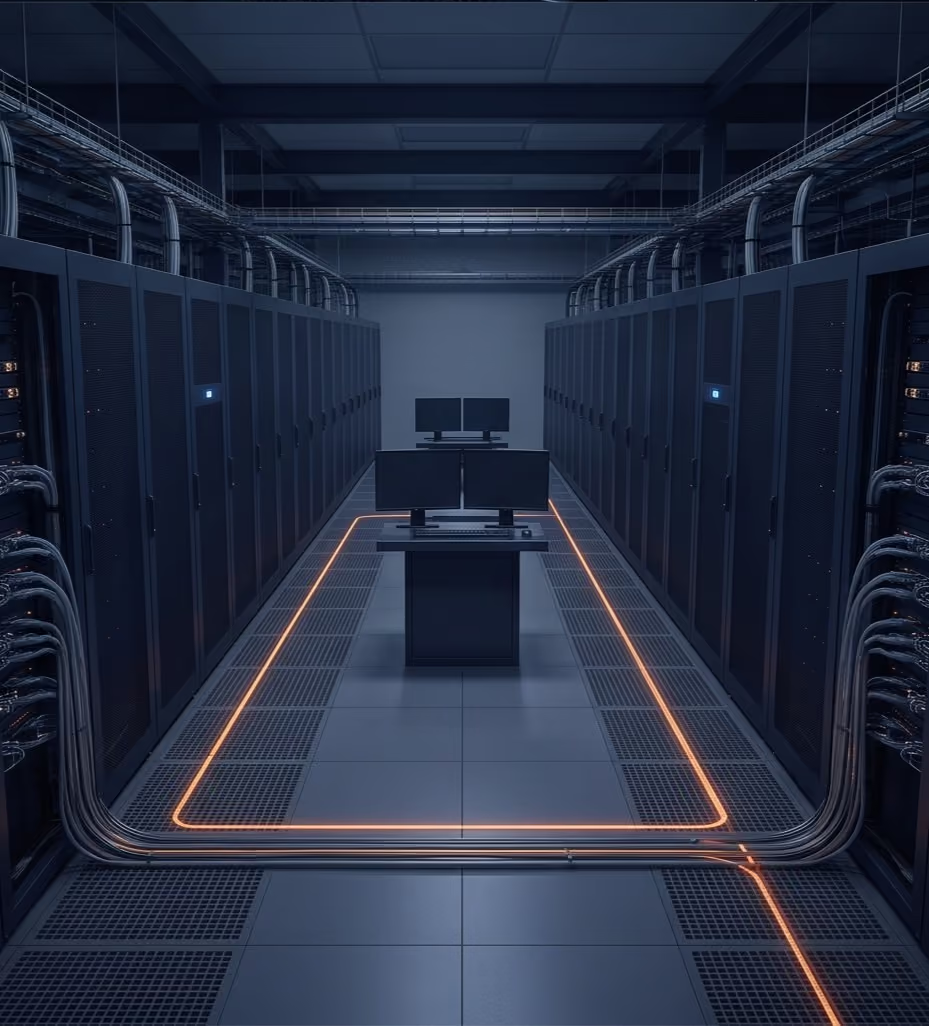
We reduce risk across the areas where enterprise exposure is highest.

Security is not treated as a standalone function—it is embedded into infrastructure and operations.
Security risks identified during assessment
Prioritized based on operational impact
Integrated into infrastructure and cloud design
Continuously monitored and optimized
Who This Is For
Enterprises with hybrid or distributed environments
Organizations with increasing compliance requirements
Businesses with limited security visibility across systems
IT teams modernizing legacy infrastructure and security stacks
Security risk rarely exists in isolation.
It emerges from complexity across infrastructure, identity, cloud, and operations.
Reducing risk requires an integrated engineering approach—not isolated security tools.
Strengthen your enterprise security posture with a structured engineering assessment and remediation plan
Let's start a conversation.