We design and implement enterprise-grade data protection and recovery architectures that minimize downtime, reduce data loss, and ensure operational continuity across hybrid and cloud environments.
Data protection and recovery requirements are typically identified during the Technology Risk Assessment, where we evaluate recovery readiness, backup integrity, and operational resilience.
We then design systems that ensure critical workloads can be restored quickly and reliably when disruption occurs.
Resilience-focused engineering for enterprise environments.

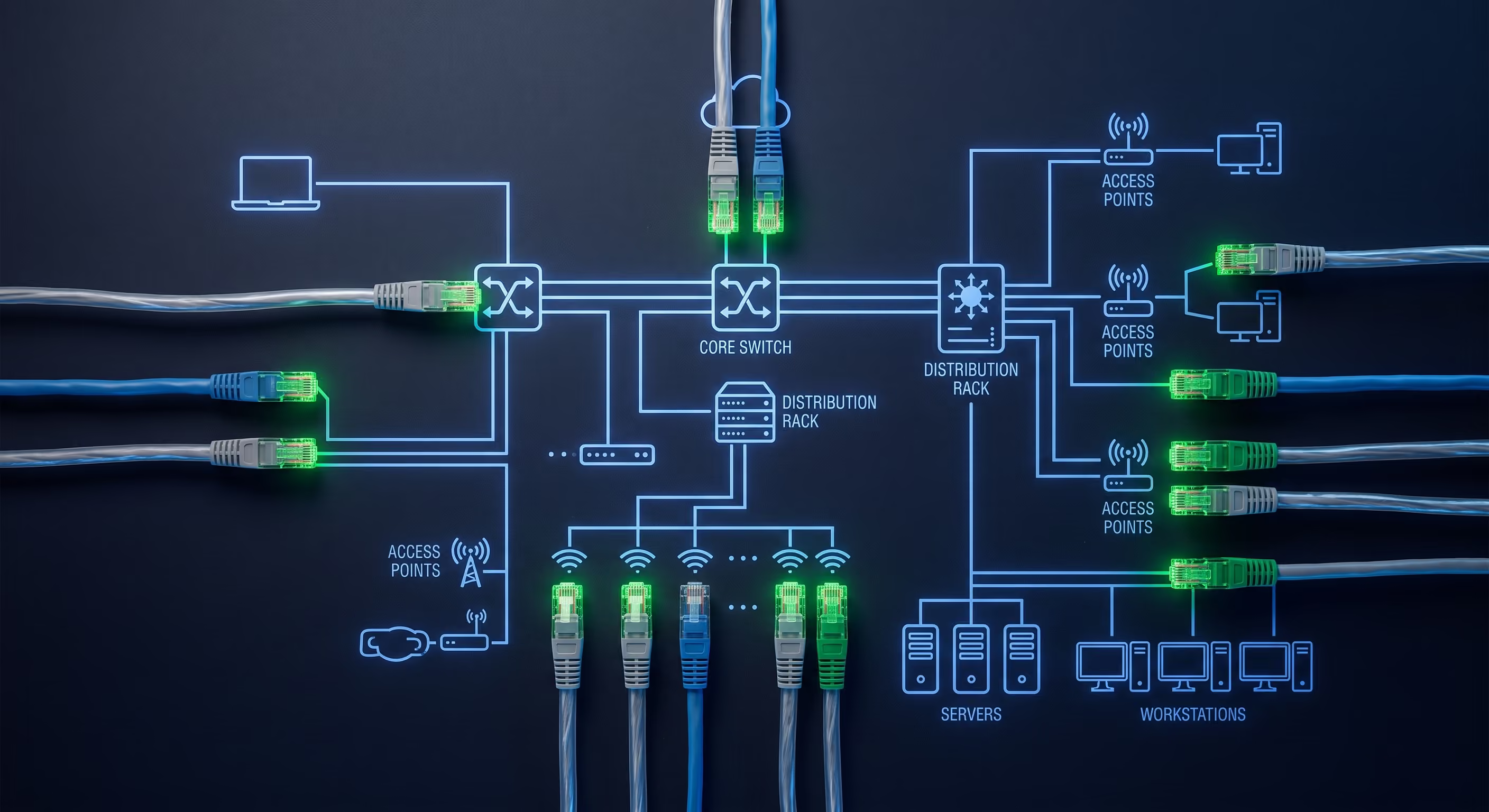


We reduce downtime risk across critical operational layers.

Recovery is not a storage function—it is an operational design discipline.
Recovery requirements defined during assessment
Systems designed for recoverability, not just availability
Recovery plans tested and validated
Continuous improvement of resilience posture
Who This Is For
Enterprises with critical uptime requirements
Organizations exposed to ransomware or cyber disruption risk
Businesses operating hybrid or multi-site environments
IT teams responsible for business continuity and disaster recovery
Most enterprises do not fail because systems go down.
They fail because recovery is too slow, incomplete, or untested.
Recovery engineering reduces the financial and operational impact of inevitable disruptions.
Improve operational resilience with a structured recovery and continuity assessment.
Let's start a conversation.